


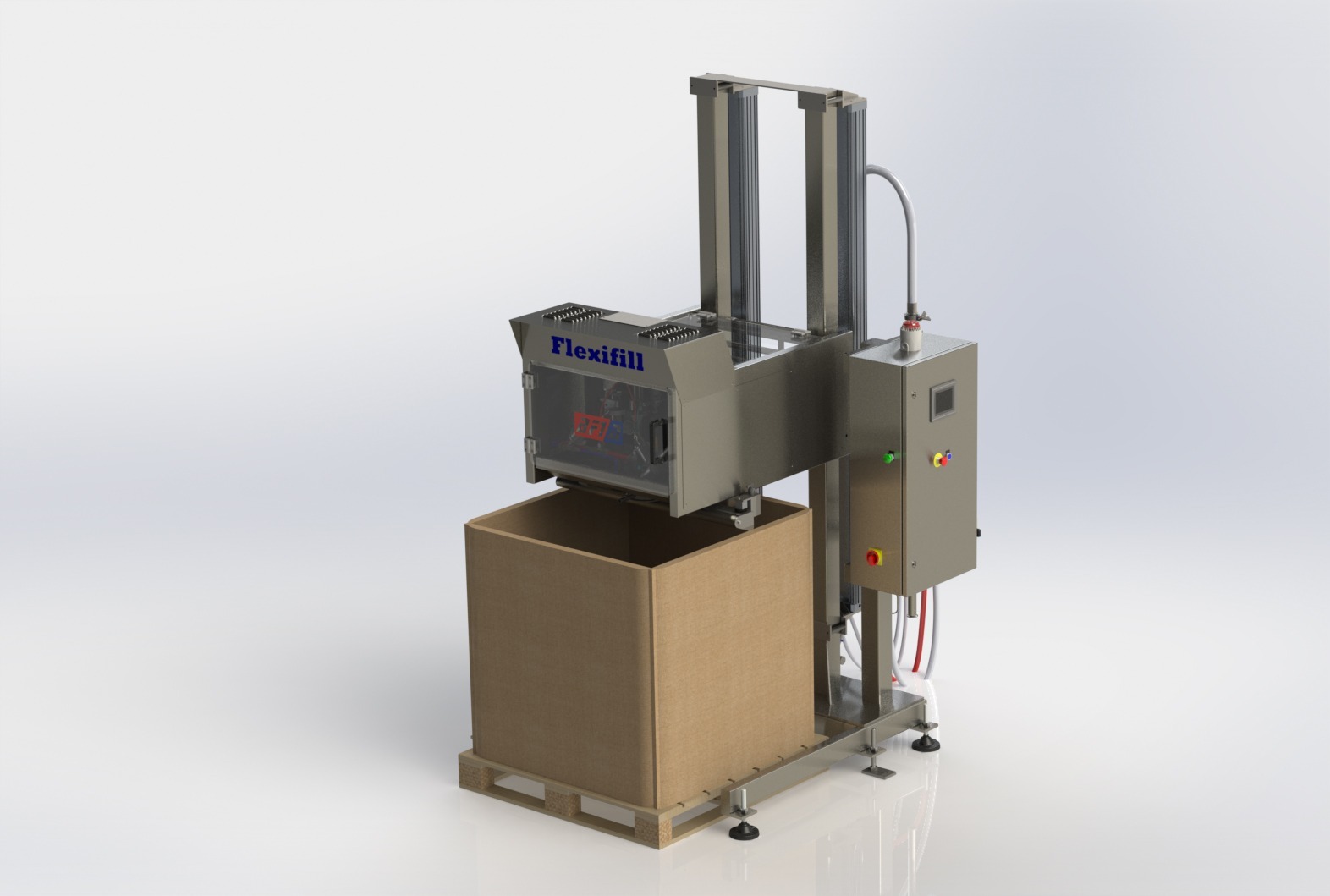
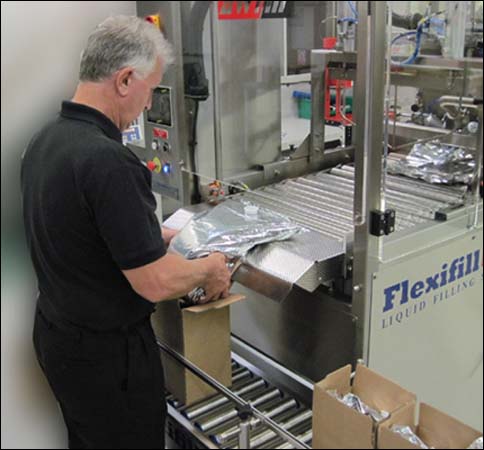


Sustainable Packaging: Moving Away from Plastic to Aseptic Fillers & Bag-in-Box
Understanding the Shift to Sustainable Packaging in the UK
Sustainable packaging is now a key priority for manufacturers and retailers across the UK. Businesses are moving away from single-use plastics and investing in advanced packaging systems such as aseptic fillers and bag-in-box solutions. These innovations reduce environmental harm and improve operational efficiency and brand reputation. By focusing on sustainability, companies can meet customer expectations, comply with stricter environmental regulations, and enhance their market position.
Why Sustainable Packaging Matters for Modern Businesses
Sustainability is no longer an optional strategy but a necessity for UK businesses aiming to remain competitive. Brands that adopt recyclable packaging materials are seeing positive responses from environmentally conscious customers. Sustainable packaging has become a powerful way to communicate brand values, and companies that demonstrate environmental responsibility are earning greater customer loyalty and trust. Moving towards sustainable practices also helps future-proof supply chains, reducing reliance on volatile raw material markets.
The Role of Innovation in Packaging Solutions
Technological innovation is transforming the packaging industry. From automated production lines to smart filling systems, innovation is helping businesses optimise processes while reducing their environmental footprints. At Flexifill, our eco-friendly packaging solutions are designed to meet high production demands while supporting sustainability targets. Our automation, compact machinery, and precision filling equipment allow businesses to improve efficiency without compromising on quality.
Environmental Challenges with Traditional Plastic Packaging
Traditional plastic packaging is one of the largest contributors to landfill and marine waste. Heavy packaging materials and single-use plastics also increase carbon emissions during transportation and disposal. Switching to lighter, reusable or recyclable packaging helps minimise these environmental challenges and reduces costs associated with waste management.
Consumer Demand and Regulatory Pressure Driving Change
UK consumers are actively supporting brands that prioritise sustainability. This shift is reinforced by regulations requiring packaging producers to meet strict recycling and sustainability standards. Businesses adopting eco-conscious solutions early are better positioned to meet future requirements and enhance their reputation in a competitive market.
At Flexifill, we support UK manufacturers with eco-friendly packaging solutions that reduce waste and meet market expectations. Contact us today on +44 (0)1454 418 599 for expert guidance.
Aseptic Fillers & Bag-in-Box Technology Explained
Aseptic fillers and bag-in-box technology are transforming the way manufacturers approach sustainable packaging. By combining sterile processing with space-saving, eco-conscious packaging systems, this technology offers a reliable alternative to single-use plastics and traditional bottling. Businesses in the food, beverage, pharmaceutical, and chemical sectors are adopting green packaging solutions to ensure product safety, reduce waste, and meet growing sustainability expectations. Investing in aseptic fillers and bag-in-box systems provides long-term benefits by reducing contamination risks, extending product shelf life, and lowering operational costs.
Aseptic Fillers & Bag-in-Box Overview
An aseptic filling machine is a key part of modern packaging operations, offering a safe and efficient way to package sensitive food, beverage, and pharmaceutical products. Aseptic machines sterilise both the product and packaging before filling, ensuring longer shelf life without preservatives. Combined with bag-in-box systems, they create a packaging solution that is both space-efficient and cost-effective. Businesses using bag-in-box technology benefit from reduced waste, improved hygiene, and a streamlined production process.
Bag-in-box solutions also provide an opportunity to integrate sustainable materials and lightweight packaging options, helping brands reduce environmental impact. By pairing sustainability with technical innovation, manufacturers can achieve operational efficiency while supporting eco-conscious consumer demand.
How Aseptic Technology Preserves Product Integrity
Aseptic filling technology is designed to maintain product freshness and safety throughout its lifecycle. By sterilising packaging materials, machinery components, and liquid products separately before filling, contamination risks are eliminated. This controlled process extends shelf life, reduces spoilage, and minimises the need for chemical preservatives.
For manufacturers handling a range of liquid packaging requirements, from dairy and juices to sauces and plant-based beverages, an aseptic packaging system offers versatility and reliability. Aseptic filling technology is particularly valuable for export markets and long supply chains, allowing products to maintain quality and safety for longer without refrigeration.
Sterile Packaging Processes and Their Benefits
Sterile packaging is central to aseptic production. All packaging components undergo sterilisation before filling, and the filling environment is kept completely sterile. This process supports hygiene compliance, improves product quality, and allows for wider distribution. Businesses benefit from fewer returns, lower waste levels, and improved operational confidence.
Flexible Bag-in-Box Applications for a Wide Range of Liquids
Bag-in-box technology offers flexibility for a variety of industries, providing packaging that is durable, lightweight, and compatible with compostable options. It is ideal for food, drink, chemical, and pharmaceutical sectors seeking reliable solutions for bulk or retail-ready sustainable packaging. Bag-in-box containers also reduce transport costs due to their efficient shape and lighter weight.
Our specialist team at Flexifill designs aseptic filler systems and bag-in-box packaging lines tailored to your production goals. Get in touch with us today on +44 (0)1454 418 599 to explore your options.
Environmental Benefits of Moving Away from Plastic
Moving from traditional plastic packaging to aseptic fillers and bag-in-box systems delivers significant environmental benefits. With increasing attention on reducing waste, emissions, and reliance on single-use plastics, businesses are under pressure to adopt packaging that aligns with sustainability targets. Flexible packaging designs and innovative filling solutions are helping brands minimise their environmental impact while improving operational efficiency. A strategic move towards green packaging can also strengthen brand image, as consumers actively support companies that demonstrate a clear sustainable packaging strategy.
Reducing Carbon Footprint with Aseptic Fillers & Bag-in-Box Packing
Aseptic fillers paired with bag-in-box solutions significantly reduce carbon emission levels. Lightweight packaging materials require fewer resources to manufacture, and the efficient shape of bag-in-box containers allows more products to be transported in fewer trips, lowering fuel consumption. By introducing automation and advanced filling systems, businesses can achieve carbon-neutral production goals while improving hygiene and efficiency.
Lightweight Packaging and Reduced Transport Emissions
Switching to bag-in-box packaging minimises overall load weight, reducing fuel use and shipping costs. Traditional rigid containers, such as glass or heavy plastics, increase carbon footprint during transportation, whereas lightweight bag-in-box designs support packaging sustainability at every stage of distribution. This reduction in carbon emissions is particularly valuable for brands with large-scale or international operations, where efficiency directly affects environmental performance.
Lower Energy Consumption in Packaging Production
Energy efficiency is a key benefit of modern packaging systems. Automated lines and aseptic filling processes require less energy per unit than traditional bottling or manual filling. This energy reduction supports long-term savings while helping manufacturers meet environmental standards.
Recyclable Materials and Waste Reduction Strategies
Sustainable packaging materials, such as biodegradable packaging, compostable liners, and recyclable cartons, are replacing conventional plastics. Green packaging solutions not only reduce waste but also support circular economy initiatives by encouraging reuse and recycling. Businesses adopting these practices demonstrate leadership in sustainability and create lasting value for both customers and stakeholders.
At Flexifill, we deliver sustainable packaging solutions that are designed for environmental responsibility and cost efficiency. Reach out to our expert team today on +44 (0)1454 418 599 for a consultation.
Cost and Operational Efficiency Advantages
Investing in aseptic fillers and bag-in-box packaging is a practical step towards greater cost efficiency. Rising energy prices, raw material costs, and labour shortages mean businesses must find ways to optimise operations. By integrating automated packaging machines, companies can reduce manual handling, cut downtime, and increase productivity. Aseptic packaging also provides long-term savings by extending product shelf life and reducing the risk of spoilage. These benefits make aseptic fillers and bag-in-box systems a strong investment for businesses seeking reliability, growth, and return on investment.
Aseptic Fillers & Bag-in-Box for Cost-Efficient Production
An aseptic system is designed to eliminate unnecessary costs throughout the production line. Using aseptic plastic packaging reduces waste and supports practical, hygienic manufacturing processes by minimising contamination risks. Bag-in-box technology also reduces material costs by replacing heavy or rigid packaging with lighter, space-efficient layouts. Over time, this leads to significant savings in logistics, storage, and energy consumption, giving manufacturers a clear competitive advantage.
Minimising Product Waste and Downtime
Advanced filling technology delivers precise portion control, ensuring every pack is filled accurately, reducing plastic waste and product loss. Automated processes make it easier to switch between product lines, cutting downtime and allowing businesses to adapt quickly to changing market demands. Bag-in-box systems also eliminate the need for single-use plastic bags in many applications, helping companies meet environmental and financial goals at the same time.
Maximising Facility Space with Compact Packaging Systems
Flexifill’s designs focus on efficiency, offering machinery that fits into existing systems without the need for costly renovations. Our compact equipment enables facilities to increase throughput while working within space constraints, making scaling production more achievable.
Labour Savings Through Automation and Integration
Automation reduces reliance on manual labour, improving efficiency and freeing staff for higher-value tasks. Integrated systems help streamline workflow, from filling to sealing and case packing, reducing training needs and long-term operational costs. Adopting reusable packaging and reusable containers further enhances efficiency by reducing reliance on disposable items and creating a closed-loop supply chain.
At Flexifill, our aseptic fillers and bag-in-box packaging systems are built to optimise efficiency and keep costs low while improving production standards. Call us today on +44 (0)1454 418 599 to speak to one of our specialists.
Applications Across Food, Beverage, and Pharma
Aseptic fillers and bag-in-box technology are widely used across multiple industries, delivering reliability, compliance, and operational efficiency. These systems allow manufacturers to package a wide range of products safely while reducing waste and improving logistics. From food and beverage production to pharmaceuticals and chemicals, aseptic packaging solutions and automated packaging machines have become essential for companies aiming to meet sustainability targets while maintaining high-quality standards.
Food Industry Adoption of Aseptic Fillers & Bag-in-Box 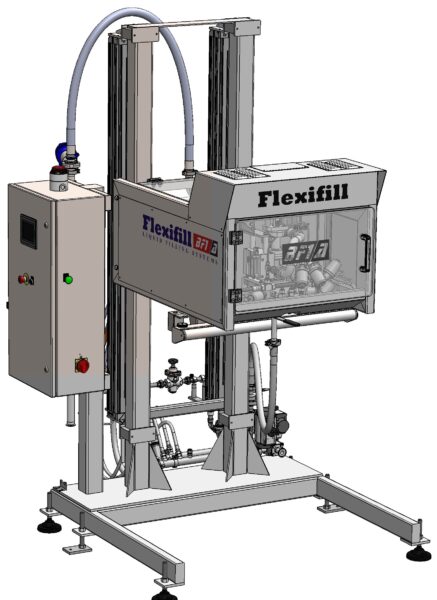
The food sector relies heavily on sterile filling solutions to maintain freshness and extend shelf life. An aseptic filling machine ensures that products like sauces, soups, dairy, and plant-based foods remain safe without preservatives. Flexible bag-in-box systems help food producers reduce transport costs and optimise storage. Bag-in-box applications also enable businesses to scale production while improving sustainability, making them a valuable asset for both retail and food service supply chains.
Beverage Sector: Scaling Production with Sustainable Packaging
The beverage industry has embraced aseptic packaging as a practical solution for efficiency and environmental responsibility. From fruit juices and wine to ready-to-drink products, the aseptic filling process allows beverages to remain shelf-stable for longer periods. Bag-in-box packaging provides lightweight and space-saving solutions for large-scale distribution, reducing waste and shipping costs. As a result, beverage companies can meet growing consumer demand without compromising sustainability.
Pharmaceutical and Healthcare Packaging Innovation
Precision and safety are critical in the pharmaceutical industry, where aseptic filling equipment supports strict hygiene and quality requirements. Sustainable packaging systems can be configured to handle sensitive products such as vaccines, medicines, and nutraceuticals, helping companies meet regulatory standards while protecting product integrity.
Industrial Liquids and Chemical Packaging Solutions
Beyond food and pharma, bag-in-box and aseptic packaging systems are widely used in chemical and industrial sectors. Bulk liquid cleaners, lubricants, and other industrial products benefit from secure liquid packaging that reduces spillage risks and simplifies handling. Businesses in these sectors also gain from streamlined operations and sustainable packaging that is compatible with automated filling lines.
At Flexifill, we provide advanced filling systems for every sector, ensuring safe, compliant, and sustainable packaging solutions. Email our experts for more information.
Meeting UK and EU Sustainable Packaging Regulations
Packaging regulations in the UK and EU are changing rapidly, placing greater responsibility on businesses to reduce waste, minimise carbon emission levels, and adopt environmentally responsible solutions. Aseptic fillers and bag-in-box systems help companies align with these rules by reducing material use, extending shelf life, and improving efficiency. By prioritising green packaging and sustainable packaging strategies, manufacturers can remain competitive while meeting strict compliance requirements.
Compliance with Packaging Waste Reduction Targets
Governments are tightening regulations to reduce plastic waste and encourage businesses to invest in packaging that is easier to recycle or reuse. Aseptic packaging solutions, combined with bag-in-box technology, enable companies to use fewer raw materials and simplify waste management. Businesses adopting reusable packaging and reusable containers meet these requirements and create long-term cost savings by reducing their reliance on single-use packaging.
Aseptic Fillers & Bag-in-Box: Supporting Regulatory Compliance
Aseptic filling systems are designed to meet high safety and sustainability standards, making them ideal for industries with strict regulations. Bag-in-box technology supports sustainability targets by lowering packaging weight, reducing energy usage, and minimising carbon emissions during transport. As more companies move towards carbon-neutral operations, aseptic fillers and bag-in-box systems provide a practical and cost-effective way to comply with environmental and industry regulations.
Meeting Food Safety and Hygiene Standards
Compliance in the food and beverage sector is particularly strict, with hygiene and quality assurance as the main priorities. Aseptic filler system and bag-in-box technology create sterile packaging conditions that ensure consistency while meeting international food safety guidelines. By integrating automated controls, businesses can track performance and guarantee safe, reliable production.
Future-Proofing Your Packaging Strategy
With regulations continuing to evolve, companies must adopt systems that can adapt to future requirements. A sustainable packaging strategy focused on flexibility, reduced waste, and green packaging materials will help brands remain compliant over time. Investing in aseptic fillers and bag-in-box solutions now ensures businesses are prepared for stricter legislation and growing consumer demand for sustainability.
Flexifill systems are fully compliant with UK and EU regulations, helping you stay ahead of changing laws. Use our contact form for compliance advice today.
Sustainability in Packaging Supply Chains
Sustainability now extends beyond product design and into the entire supply chain, influencing decisions from raw material sourcing to product delivery. Businesses across the UK are looking for packaging solutions that lower environmental impact while maintaining efficiency. Aseptic fillers and bag-in-box systems provide a reliable way to achieve this balance. By reducing packaging waste, streamlining production, and optimising transport, companies can implement strategies that benefit the environment and strengthen profitability. Integrating eco-friendly solutions with a modern packaging system supports both operational goals and corporate sustainability commitments.
Aseptic Fillers & Bag-in-Box Driving Supply Chain Efficiency
An aseptic filling machine enables manufacturers to achieve longer product shelf life without preservatives, reducing spoilage and supply chain losses. Lightweight bag-in-box packaging also cuts storage costs and allows businesses to maximise pallet loads. For companies managing large-scale distribution networks, this efficiency translates into fewer shipments, reduced fuel consumption, and improved sustainability metrics.
Packaging Life Cycle: From Production to End-of-Life Recycling
The packaging life cycle is a critical consideration for businesses committed to sustainability. From the manufacturing stage to end-of-life recycling, a well-designed aseptic packaging solution minimises waste and supports circular economy initiatives. Bag-in-box packaging is easier to flatten and recycle, reducing the strain on recycling systems and improving recovery rates.
Energy-Saving Equipment and Manufacturing Practices
Energy efficiency is a core part of sustainable packaging strategies. Advanced filling systems use less power per unit while maintaining precision and consistency. This not only supports environmental goals but also lowers operational costs, offering a practical route to sustainability without sacrificing performance.
Sustainable Sourcing of Packaging Materials
A focus on responsibly sourced materials is essential for creating environmentally friendly packaging. Businesses are increasingly investing in packaging that uses recycled content or materials from verified sustainable sources. Advanced accepting filling equipment combined with eco-conscious packaging materials helps brands demonstrate environmental leadership.
At Flexifill, we build sustainable packaging solutions that reduce environmental impact throughout your supply chain. Click here to get started.
Technology and Innovation in Modern Packaging
The packaging industry is developing rapidly, driven by increasing demand for sustainability, efficiency, and precision. Manufacturers are investing in advanced equipment and smart systems to remain competitive and meet consumer expectations. Aseptic fillers and bag-in-box solutions represent a major leap forward, combining sterile filling technology with innovative packaging systems. At Flexifill, our aseptic filler and bag-in-box packaging solutions reduce waste, improve productivity, and enhance product integrity while supporting modern manufacturing practices. We help businesses optimise operations and future-proof their packaging strategies by providing smart equipment and automated processes.
Aseptic Fillers & Bag-in-Box: Integrating Smart Technology
Modern aseptic filling machines incorporate advanced control systems that ensure precision and reliability during every stage of production. Smart sensors and automated functions enable manufacturers to achieve consistent results while reducing manual intervention. When combined with bag-in-box packaging, aseptic filling systems create a streamlined production line that lowers operational costs while delivering a high standard of quality.
Automation and Remote Monitoring in Packaging Systems
Automation is fundamental to sustainable packaging innovation. Remote monitoring technology allows operators to oversee production from any location, improving efficiency and enabling faster response times. Aseptic filling equipment is built with integrated software and predictive maintenance features, reducing downtime and extending the lifespan of machinery. Businesses benefit from fewer errors, better traceability, and higher output.
Data-Driven Quality Assurance and Traceability
Sustainable packaging innovation is increasingly focused on data collection and analysis. Modern equipment records key metrics at every stage of the aseptic filling process, ensuring compliance with strict regulatory requirements. This level of traceability supports quality control and enhances supply chain transparency, which is critical for industries like food, beverage, and pharmaceuticals.
Customisation and Branding Opportunities for Bag-in-Box Packaging
Bag-in-box packaging offers significant branding potential. Businesses can customise designs to create attractive, practical, and green packaging solutions that appeal to eco-conscious customers. Combined with aseptic filling technology, sustainable packaging systems provide both visual appeal and product protection, helping brands differentiate themselves in competitive markets.
At Flexifill, our sustainable packaging innovations are designed to meet your brand goals and operational needs. To learn more about our bespoke packaging solutions, visit our dedicated page.
Future of Sustainable Packaging in the UK Market
Sustainable packaging is set to play a greater role in shaping the future of UK manufacturing and retail. With environmental concerns at the forefront of consumer decision-making, businesses must adopt packaging solutions that prioritise both sustainability and functionality. Aseptic fillers and bag-in-box technology are becoming essential tools for companies that want to remain competitive and responsible. These innovations allow manufacturers to streamline operations while reducing waste, cutting carbon emissions, and appealing to eco-conscious customers.
Aseptic Fillers & Bag-in-Box as the Future of Packaging
The versatility of an aseptic filling machine makes it a cornerstone of the future packaging market. By providing a sterile environment for filling, aseptic machines ensure longer shelf life, minimise contamination, and reduce reliance on preservatives. Bag-in-box packaging further enhances these benefits by offering lightweight, compact, and environmentally responsible packaging solutions. As the industry shifts away from rigid plastics, this combination will play a key role in sustainable product delivery.
Why Businesses Must Act Now to Stay Competitive
The shift to eco-friendly packaging is not just a trend; it is a market expectation. Consumers are actively seeking brands that demonstrate environmental responsibility, and regulations are becoming more demanding. Businesses that delay adopting sustainable packaging solutions risk falling behind competitors who have already embraced automation, efficiency, and eco-conscious practices. Acting now ensures stronger brand loyalty, compliance with legislation, and reduced operational costs in the long term.
Predictions for Sustainable Packaging Trends Over the Next Decade
Over the next decade, the packaging industry is expected to prioritise lightweight designs, reusable and recyclable materials, and digital integration for improved traceability. Companies that invest in sustainability will also see increased opportunities for global distribution as international regulations align on eco-conscious practices.
The Role of Aseptic Technology in Achieving Net-Zero Goals
Aseptic filling systems will remain at the cutting edge of innovation, supporting efforts to achieve net-zero emissions. Their ability to reduce waste, extend product life, and streamline production makes them an essential part of modern sustainability strategies. For businesses aiming to meet environmental targets, these technologies provide a practical pathway to measurable results.
Flexifill leads the way in eco-conscious packaging innovation. Call us today on +44 (0)1454 418 599 to future-proof your production.
Frequently Asked Questions
1. What is compostable packaging?
Answer: Compostable packaging is made from plant-based or biodegradable materials that break down naturally, reducing landfill waste.
2. How does packaging sustainability benefit businesses?
Answer: Packaging sustainability lowers environmental impact, improves brand reputation, and helps businesses meet regulatory standards.
3. How can you help reduce packaging costs?
Answer: As a trusted packaging manufacturer, Flexifill optimises materials, designs, and production processes to cut costs without compromising quality.
4. What role do your packaging engineers play?
Answer: Our packaging engineers design protective packaging that ensures product safety, improves efficiency, and supports eco-friendly initiatives.
5. Why is sustainable supply chain management important?
Answer: Sustainable supply chain management ensures packaging production uses fewer resources, supports green packaging, and reduces overall waste.
At Flexifill, we design and deliver packaging solutions that meet your sustainability goals while reducing costs and improving efficiency. Contact us today on +44 (0)1454 418 599 or fill out our contact form to speak with our packaging specialists.