




A Practical Guide for Businesses and How to Transition from Rigid Containers to Bag-in-Box Packaging Systems
Why The Switch Matters to Your Business
If you’re running a business that relies on packaging liquids or semi-liquids, whether it’s food, drink, cleaning products, automotive fluids or chemicals, you’ve likely felt the pressure. Rising material costs, tighter environmental regulations, and changing customer expectations are forcing businesses to rethink the way they package their products.
So, is now the right time to move away from plastic containers?
In summary, if you continue to use rigid plastic drums, tubs, jerry cans, or bottles, you may be overlooking an improved alternative that could reduce expenses, reduce waste, and simplify operations for both your customers and staff.
The sensible alternative is bag-in-box (BiB) packaging. However, switching isn’t just about changing a container; it’s about improving your supply chain, enhancing your sustainability credentials, and staying ahead of your competition. Flexifill can help, and our guide will give you the answers you need.
What’s In It For You?
- Lower packaging and storage costs
- Easier handling for both your staff and your end customers
- A dramatic reduction in plastic use (without losing performance)
- A move toward greener, more sustainable packaging without the risk
- A chance to modernise your filling systems and gain efficiency
Many businesses don’t realise how much time, money, and storage they’re wasting until they switch to a bag-in-a-box (BiB).
Our guide will help you work out if bag-in-box is right for your product and, more importantly, whether the timing is right for you.
What Is Bag-in-Box (BiB) Packaging, and Why Should You Care?
You may be unfamiliar with the term bag-in-box, but this isn’t new technology; it’s a proven, widely used packaging solution that revolutionises how products are stored, transported, and dispensed across industries.
What Is Bag-in-Box?
Bag-in-box packaging consists of:
- An outer box — typically made of sturdy corrugated cardboard
- An inner flexible bag — made from durable food- or chemical-grade film
- A dispensing tap, valve or fitment — for controlled, hygienic product release
The bag holds your product securely, while the box protects the bag, maintains its shape, and makes the entire unit easier to handle, stack, and transport.
You may already have seen it used in boxed wine or juice dispensers, but that’s just the beginning. Bag-in-box packaging is now the go-to solution for numerous products across many sectors, including food, beverage, pharmaceutical, automotive, cleaning, horticulture, and chemical industries worldwide. Flexifill is an expert when it comes to a bag-in-box, providing bespoke solutions tailored to your business needs and growth targets while supporting your operations.
Why Does This Matter to You?
If you’re still using plastic containers, bottles, or drums, you’re handling more bulk, more cost, and more environmental impact than you probably need to.
Bag-in-box packaging allows you to:
- Ship more products using less space
- Reduce your plastic usage significantly
- Offer your customers packaging that’s lighter, cleaner and easier to use
- Reduce product waste thanks to collapsible bags that dispense every drop
Converting to a bag-in-box operation ensures your business is not left behind, enabling you to scale, be more environmentally friendly, and be more efficient.
Is Bag-in-Box Packaging Just for Liquids?
Not at all. While liquids are a perfect match for bag-in-box, it’s also ideal for viscous products like:
- Sauces and syrups
- Detergents and gels
- Oils and lubricants
- Paints and coatings
As long as your product flows (with or without pressure), it’s likely a candidate for bag-in-box packaging.
Get honest advice, tailored to your industry and your product. We will give you clear answers and a practical way forward. Book a free discovery call with Flexifill today. Call +44 (0)1454 418 599 or email us to find out more.
What Problems Does Bag-in-Box Solve That Plastic Containers Don’t?
If you’re thinking about making a change, you probably don’t want extra features; you want a solution that addresses specific, expensive issues in your business.
Bag-in-box packaging wasn’t created for no reason; it was created to solve real challenges that plastic containers can’t.
Why would you change to a bag-in-box solution?
1. Reduced Storage and Transport Costs
Plastic containers take up a lot of room, even when they’re empty. Bag-in-box systems are flat-packed before use and are tightly stackable when full. That means:
- Lower storage costs
- More efficient pallet use
- Reduced transport volume
Meaning you can move more product with fewer transport costs, reducing your fuel costs and carbon output.
2. Better Product Protection and Shelf Life
For many liquid products (especially those sensitive to air or light), bag-in-box can:
- Prevent oxygen ingress
- Minimise exposure to light
- Reduce contamination risk
This often means longer shelf life, better product stability, and fewer returns or spoilage issues, which directly impact your bottom line.
3. Less Waste, More Usable Product
Rigid plastic containers often leave behind residue you can’t recover. Bag-in-box collapses as the product is dispensed, squeezing out every last usable drop.
For you, that means:
- Less product wasted
- Higher yield per litre
- Happier customers who get more for their money
4. Easier Handling for Your Team and Customers
Plastic drums and tubs are heavy, awkward, and prone to cracking or leaking. Bag-in-box units are:
- Lightweight
- Stackable
- Easier to lift and pour
- Compatible with tap dispensers, pumps or automatic lines
This improves safety in the workplace and makes things simpler for your end users, particularly in retail or service settings.
5. Sustainability Without Sacrifice
Switching to bag-in-box can help you cut your plastic use by up to 80% per unit. And because the outer box is made from cardboard, it’s fully recyclable.
This makes a powerful difference when:
- Pitching to environmentally conscious clients
- Aligning with CSR targets
- Preparing for future legislation on plastic use
Bag-in-box packaging helps you do more with less. Less space, less waste, less cost, and more efficiency, value, and sustainability make your packaging fit for the future. This is achieved without compromising the quality of the product or the user’s experience.
Common Concerns Businesses Like Yours Often Have
If you’re thinking about switching from plastic containers to bag-in-box packaging, it’s completely normal to feel cautious, and most businesses we speak to have similar reservations at the start. You’re not alone, and it’s sensible to ask questions before making a change.
Will Bag-in-Box Work with My Product?
This is the number one question, and the answer depends on your product’s characteristics, such as:
- Viscosity
- Temperature during filling
- Shelf-life requirements
- Sensitivity to oxygen or light
In most cases, bag-in-box is a perfect solution. Whether you’re packaging liquids, gels, concentrates, or even semi-viscous materials, there’s likely a bag-in-box configuration that will work.
At Flexifill, product testing is a crucial first step, and we test your product to see its suitability in various bag formats to find the right fit. There’s no guesswork when it comes to Flexifill, just our knowledge and full testing to make sure you’re confident before committing.
How Much Will It Cost to Change?
There will be some upfront investment, mainly in filling equipment and packaging materials, and the positives are:
Bag-in-box will reduce your overall packaging cost per litre.
- The outer box is usually cheaper than a rigid plastic container
- The bags use far less plastic than bottles, tubs, or drums
- Storage and shipping costs go down
- Labour and handling become more efficient
It’s not uncommon for businesses to break even within months and then see consistent savings from that point forward.
Will I Need New Equipment?
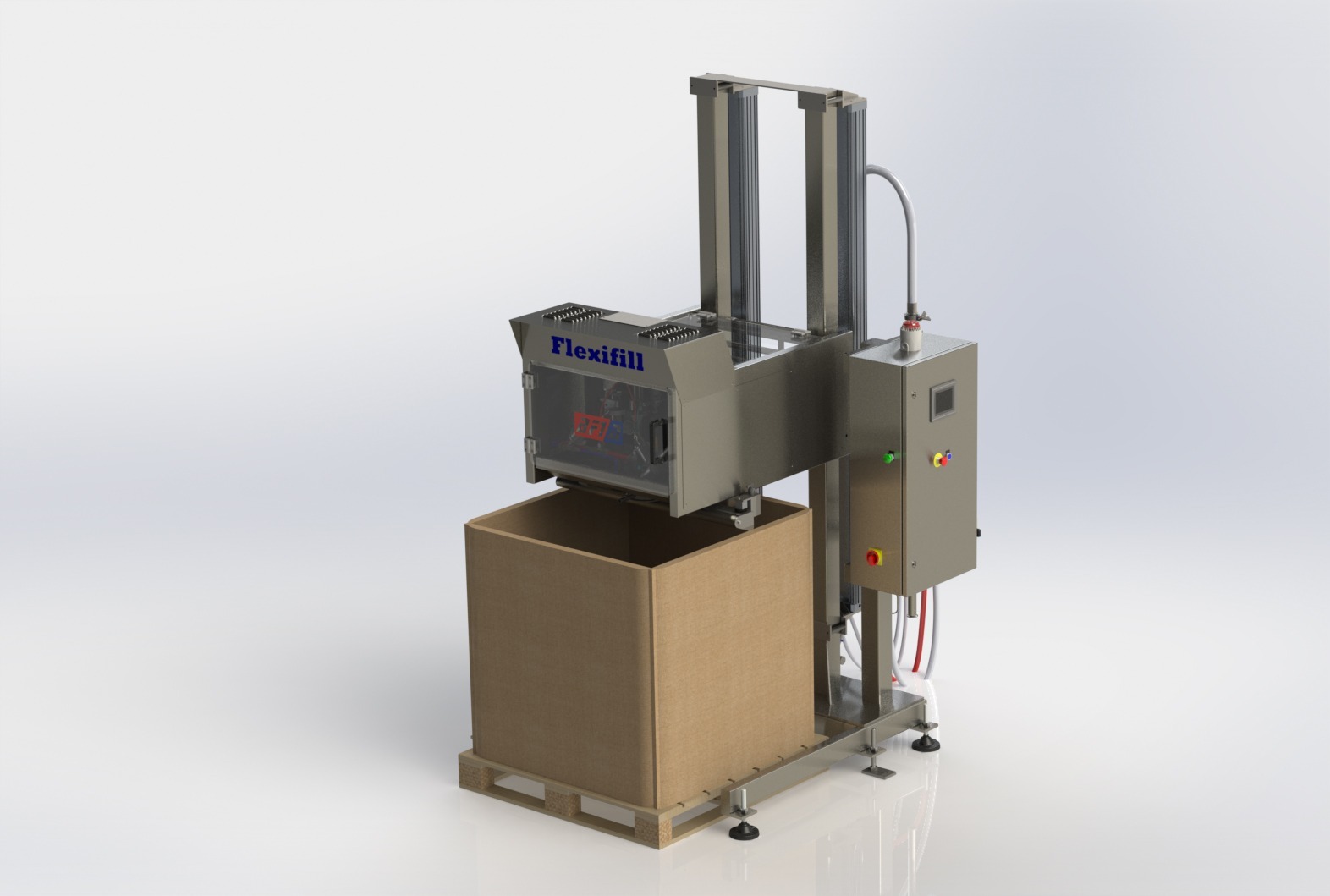
Flexifill offers a full range of filling solutions, including:
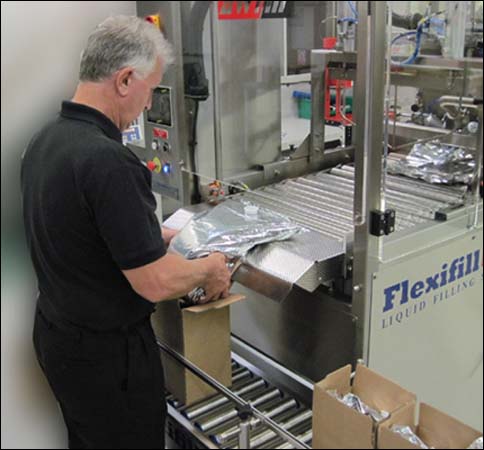
- Manual filling units for small production volumes
- Semi-automatic machines to improve speed and consistency
- Fully automated systems for high-volume, continuous production
Our machines are designed just for your business and can be customised to fit your product types, desired throughput, hygiene standards, and filling accuracy.
Unlike some equipment suppliers, Flexifill doesn’t just sell you a machine and walk away. You get consultation, customisation, testing, training, and after-sales support, all tailored to make the transition to bag-in-box smooth and low-risk.
Will It Disrupt My Current Production?
The change always carries some disruption, but it doesn’t have to be painful, and we work with you to minimise disruptions during installation and rollout.
A well-managed transition to bag-in-box typically happens in phases:
- You test your product on new packaging
- You trial a small run
- You introduce the system alongside existing packaging until you’re ready to scale
This allows you to learn, refine, and adapt with our support without stopping your business.
How Do I Know I’m Not Making a Mistake?
Markets are evolving, supply chains are shifting, and environmental regulations are tightening, all while customers are demanding greener, smarter packaging.
By taking the time to explore your options, test your product, and speak to the team at Flexifill, you can make an informed decision that sets your business up for long-term success.
Step-by-Step: How to Transition to Bag-in-Box Smoothly
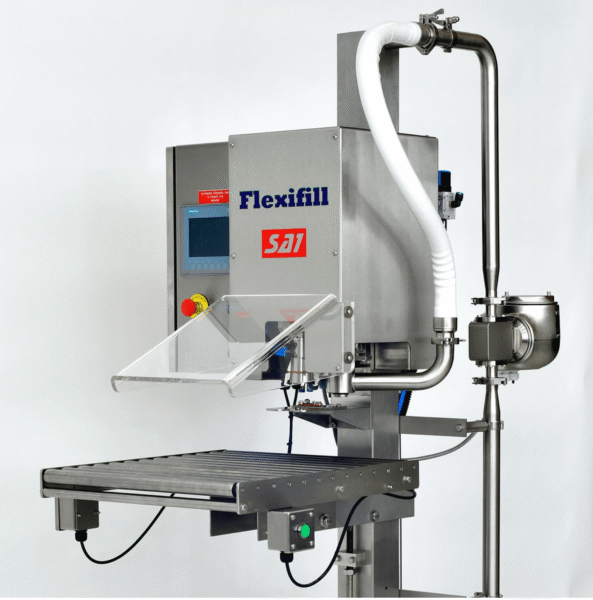
Switching from plastic containers to bag-in-box doesn’t have to be complex or difficult, and the entire process can be broken down into clear, manageable stages. Whether you’re a small-scale producer or a large manufacturer, the key is to approach the transition systematically so you’re confident at every step.
Here’s how we make it work for your business.
Step 1: Assess Your Product Compatibility
Start by asking a simple but essential question: Is my product suitable for bag-in-box?
If your product flows, whether it’s thin like juice or thick like oil, there’s a good chance it will work. During the initial stages and testing, we will consider:
- Viscosity
- Temperature sensitivity
- Shelf life
- Sterility or hygiene requirements
Flexifill will run product tests using different bag formats, film types, and fitments. You will see what works and what doesn’t before you invest in anything.
Step 2: Define Volume and Performance Needs
Not every business needs high-speed, automated machinery. Before you look at equipment, it’s important to define:
- Your daily or weekly production volume
- The size and type of packaging you want to use
- Whether filling will be manual, semi-automated, or fully automated
- How bags will be dispensed (tap, pump, connector)
This helps us determine the right equipment and packaging setup for your business without over-engineering or overspending.
Step 3: Test Prototypes with Real Product
This is one of the most important steps in the process.
A trustworthy supplier will offer you the chance to fill sample bags using your product and then simulate transport, storage, and usage.
Flexifill allows you to either visit the facility for hands-on testing or send your product for in-house testing, so you can be sure we are engineering the right system for your business.
Visit Flexifill’s UK-based facility to see our machines in operation, trial your product, and speak directly with the engineers. You can arrange your demonstration with no commitment required. Call us at +44 (0)1454 418 599.
Step 4: Select the Right Filling Equipment
Once you’re confident the packaging works, we will look at the machines that will fill it.
Flexifill offers:
- Compact manual units for artisan producers or pilot trials
- Semi-automated systems for medium-scale production
- Fully automated, high-throughput lines with conveyors and PLC controls
Because everything is built in the UK by Flexifill’s in-house engineering team, your system will be adapted to your space, your operators, and your production schedule.
No off-the-shelf compromises, just what works best for your business and operation.
Step 5: Train Your Team and Integrate Smoothly
Just installing new machinery isn’t enough; you need your team to feel confident using it.
Your team will receive full training during installation and support afterwards, so your staff can operate the equipment safely and efficiently from day one.
Flexifill can also help you adapt your workspace layout, integrate machines with your existing systems, and help you trial packaging with customers.
Step 6: Start Small, Then Scale Confidently
The biggest mistake businesses make is trying to do everything at once. When you partner with Flexifill, we support you in implementing your bag-in-box solution on one product or line first.
Once it’s running smoothly and you’ve seen the benefits for yourself – less waste, faster filling, lower transport costs – you can naturally scale the system across more lines with clarity, confidence, and control.
Making the transition doesn’t have to be scary or overwhelming. With the right guidance from our specialist engineering team, the process becomes a series of smart, simple steps designed to help you succeed without guesswork.
Why Flexifill Makes Your Experience Different
There are plenty of companies that sell filling machines and bag-in-box packaging, so why choose Flexifill?
When you work with Flexifill, you’re not buying equipment; you’re investing in a solution that’s tailored to your product, your production style, and your future goals. We have over 45 years of experience and are focused on customer service and delivering a product that is right for you now and in the future.
What sets Flexifill apart and why it matters.
Flexifill Designs Around Your Problem, Not Our Product
Too often, equipment suppliers try to fit your needs into their standard machine. At Flexifill, we take a different approach.
You bring your challenges, your product, your filling issue, and your packaging vision, and we start from there.
This means:
- The machine is designed around your product, not vice versa
- You avoid wasting money on features you don’t need
- You get a filling solution that works efficiently in your setting, with your team, at your speed
UK-Engineered, Supported and Built for You
Flexifill’s machines are designed, built, and tested in the UK, and this means:
- Rapid turnaround for design, manufacture, and delivery
- Direct contact with the engineering team, not through agents or middlemen
- Ongoing support without long wait times or offshored service teams
If you value service, responsiveness, and accountability, Flexfill is the partner and supplier for your bag-in-a-box needs.
Prototypes First, Purchase Later
You don’t have to buy a machine based on a brochure or a guess.
We test your product in a real bag-in-box setup first, which means:
- Sending in product samples
- Visiting the facility for a demo
- Trialling different bag materials and fitments
- Seeing the results before any financial commitment
Our “proof-first” approach gives you confidence and clarity before making a decision.
Send us a sample of your product, and we’ll show you how it performs in a bag-in-box format before you invest a penny. Let our expert team test it for you and share the results. Call +44 (0)1454 418 599 to get started.
Long-Term Support
Plenty of companies will often disappear after the sale; Flexifill doesn’t.
Once your machine is installed, you’ll still have access to:
- Ongoing training for new staff
- Troubleshooting and maintenance support
- Advice on new bag formats, films, or volumes
- Help scaling your line as your business grows
Flexfill’s approach is to build long-term partnerships with our clients, whose operations are central to our work.
Experience Across Multiple Sectors
Whether you’re in food, beverage, automotive, chemical, or pharmaceutical sectors, Flexifill has hands-on experience with real products like yours.
This means you won’t have to explain everything from scratch, as you’re dealing with engineers and consultants who already understand the challenges in your industry and who know how to solve them efficiently.
The team at Flexifill offers more than just a machine. You get clarity, expertise, customisation, and a long-term partnership from a British team that’s just as invested in your success as you are.
Real Results: What Businesses Typically Experience After Switching
If you’re exploring the move to bag-in-box packaging, you will want to know what kind of impact it can actually have on your day-to-day operations. While every business is different, many companies across a range of sectors report seeing noticeable improvements in cost, efficiency, and sustainability after making the switch.
Here are some representative examples of the kind of results businesses often achieve with Flexifill systems.
Improved Efficiency on the Factory Floor
Food manufacturers moving from manual processes to semi-automated filling often report:
- Increases in filling speed—sometimes by 40% or more
- A noticeable reduction in product wastage per run
- Fewer operator errors and quality issues
- The ability to scale without hiring additional staff
This increase in throughput often allows businesses to respond to orders more quickly and fulfil contracts with greater reliability.
Reductions in Storage and Transport Costs
Companies previously using rigid plastic drums frequently find that switching to 20-litre bag-in-box formats allows:
- More efficient palletisation
- A smaller storage footprint—up to 30% in some cases
- Fewer deliveries due to higher product density per load
This can result in tangible savings on fuel, logistics, and external warehousing.
Sustainability Gains That Support Commercial Growth
Brands with a focus on sustainability, such as boutique drink producers or eco-conscious cleaning product manufacturers, often see a number of advantages, including:
- A significant reduction in plastic use (up to 75% per unit in some applications)
- The ability to use fully recyclable outer cartons
- Reduced weight per shipment, which lowers transport emissions and costs
In some cases, these improvements have also helped businesses win new retail contracts by strengthening their environmental credentials.
Smoother Setup and Scalability
For businesses trialling Flexifill machines with multiple packaging formats, setup is often completed within days rather than weeks. With support from Flexifill’s engineering and customer success teams, companies typically benefit from:
- Faster line optimisation
- Hands-on packaging trials to reduce risk
- Post-installation support with maintenance and training
This reduces pressure on internal teams and gives businesses the confidence to scale bag-in-box across additional product lines.
These scenarios are based on the kinds of results companies frequently report after making the switch with Flexifill’s support. While every business is different, the consistent theme is clear: reduced costs, improved efficiency, and smarter packaging.
If you’re worried about installation, space, or budget, we can walk you through the flexible options we offer. Speak to a Flexifill expert about the best fit for your business. Call us at +44 (0)1454 418 599.
Flexibility That Future-Proofs Growth
Several businesses have chosen Flexifill systems specifically because they’re not locked into a single format. By using modular equipment and adaptable programming, they can:
- Change volumes (e.g. from 5L to 20L) quickly
- Switch between bag types or valves
- Add automation as demand grows
This flexibility protects you from being boxed in as your customer demands and product ranges evolve.
You don’t have to take a leap of faith to see if bag-in-box is right. Businesses across multiple sectors have already done it, and the results speak for themselves.
What Will It Cost and What Could It Save You?
Any packaging change has to make commercial sense. But here’s what many businesses don’t realise until they review the numbers on a bag-in-box filling system:
Bag-in-box doesn’t just replace plastic containers; it can replace a big proportion of your operating costs.
What Will It Cost?
The main costs involved in switching to bag-in-box packaging are:
- Filling Equipment
- Manual units for small-scale or low-volume production can be relatively inexpensive.
- Semi-automated or fully automated systems have a higher investment, but they also offer a faster return over time and labour savings.
- All machines at Flexifill are built in the UK and customised to your products and processes.
- Packaging Materials
- Bag-in-box packaging typically involves the outer corrugated carton, the inner flexible bag, and a dispensing tap or valve.
- Per-unit costs vary depending on size, barrier requirements, and order volume.
- However, in most cases, a bag-in-box comes out cheaper than rigid plastic equivalents when measured per litre of product.
- Installation and Training
- Flexifill offers full installation and operator training to ensure smooth integration.
- This is a one-time cost that ensures your team is confident from day one.
- Product Testing (Optional but Recommended)
- You can send your product in for feasibility trials with various bag formats.
- This removes all guesswork and lets you confirm compatibility before making any commitments.
What Could It Save You?
This is where bag-in-box often surpasses expectations:
- Packaging Material Savings:
Lighter, simpler, and less plastic-intensive packaging = lower cost per unit. - Storage and Shipping Savings:
Bag-in-box can reduce storage space by up to 30% and cut transport costs by reducing load weight and wasted space on pallets. - Labour Efficiency:
Semi-automated filling systems reduce manual input and speed up production lines, freeing up your team. - Reduced Waste:
The inner bag helps you get nearly 100% of the product out, compared to the residue left in rigid plastic containers. - Environmental Compliance:
If your business is under pressure to cut plastic use or meet CSR targets, this switch helps you do both without needing to overhaul your entire product line.
How Do You Know If the Numbers Stack Up?
The best way to answer that is to run a simple breakeven analysis.
Flexifill can help you model:
- Your current packaging costs
- Bag-in-box equivalent costs
- Equipment ROI over 12, 24, or 36 months
- Expected savings based on your specific product volume
You’ll know exactly where you stand and if it is the right solution for your business.
There is an upfront investment when it comes to a new bag-in-box filling system, but when you take into account the ongoing savings, efficiency gains, and commercial advantages, the switch to bag-in-box packaging is often one of the most financially sensible decisions a business can make.
How You Can Start Without Risk
Making a change in your packaging system isn’t just about the investment; it’s often about confidence. You must ensure that the new product is suitable for your team and finances.
Flexifill does not require you to make a hasty decision and will conduct thorough testing before you make any investment. We give you a clear, low-risk path to explore the transition at your own pace without committing to anything before you’re 100% sure.
How to get started with us:
Book a Discovery Call
You can start with a simple conversation with us to ask your questions and explain your current processes. Share your concerns or ideas. We will give you our expert advice and honest answers tailored to your needs and sector.
Whether you’re early in the research phase or already comparing quotes, this step is about understanding your options.
You don’t need to overhaul your whole operation. Start small, test one product line, and scale when it works. Contact Flexifill for low-risk trial options and product feasibility testing. Call the team at +44 (0)1454 418 599 or email us to find out how we can help your business become more efficient and cost-effective.
Feasibility Testing
If you’re wondering whether your specific product will work with bag-in-box packaging, Flexifill offers a testing stage.
You can send in samples of your product, and we will:
- Test it with different bag types and fitments
- Assess filling speeds and compatibility
- Test seal integrity and packaging strength
- Share detailed feedback and recommendations
This is where you find out if bag-in-box works for you based on facts, not assumptions.
Visit the Flexifill Facility for a Working Demonstration
Flexifill offers on-site demonstrations at their UK-based facility, where you can:
- Watch filling equipment in action
- Handle real packaging options
- Speak directly with engineers and technicians
- See the quality of our systems and materials for yourself
This allows you to meet the team, visualise how the system could work for your business, and ask practical questions that matter to you and your team.
Try a Short Production Run
If you’re not ready to switch all your lines over, that’s completely understandable. Flexifill can help you run a short production trial to:
- Test the system in your conditions
- Assess different packaging volumes or formats
- Gather customer or distributor feedback
- Analyse costs and operational impact
You can take what you learn and use it to decide whether to scale further or keep refining the setup until you’re confident.
Use Our Support & Experience from Start to Finish
You’re not on your own at any stage. Flexifill’s team is available to:
- Support site setup and operator training
- Help troubleshoot any teething issues
- Offer packaging supply advice
- Work with your technical or procurement teams
The goal is to make your transition as smooth and beneficial as possible, so you’re never left guessing or struggling.
If you’re curious, cautious, or just comparing options, contact Flexfill to arrange a no-obligation consultation.
Making Your Packaging Fit for the Future
If you’re looking for a more sustainable solution, as your current plastic containers are holding back your margins, or maybe you just want to be ready for the changes that are coming in your industry.
Whatever your reason, switching to bag-in-box isn’t about future-proofing your business and taking control of your packaging costs, your production efficiency, your environmental impact, and your customer experience.
A Bag-in-box System with Flexifill Will
- Lower packaging costs per litre
- Less plastic, less waste, and more usable product
- Easier handling for your team and your customers
- A smaller storage and transport footprint
- Greater flexibility to scale or diversify
- Better alignment with sustainability targets
- Expert support from day one
You don’t need to overhaul your entire business to start with; just explore if a bag-in-box system is right for you. Get in touch with the team at Flexfill, who will understand your industry and needs and can show you what’s possible.
Businesses that thrive in the next five years are the ones that adapt today with smart, proven changes that deliver commercial value.
Next Steps
If you’re ready to take a closer look at bag-in-box packaging, or you simply want honest answers to your specific questions, we can help.
Flexifill offers:
- No-pressure consultations
- In-house testing with your product
- UK-built equipment customised to your needs
- Long-term support to ensure success
Off-the-shelf machinery rarely solves a business’s challenges. Allow us to create a system that perfectly fits your product, space, and goals, without any compromises. Get in touch with us today at +44 (0)1454 418 599 or email us to find out more.
Frequently Asked Questions About Switching to Bag-in-Box
If you’re exploring the transition to bag-in-box systems, you are likely comparing packaging types, evaluating space requirements, and thinking carefully about sustainability, logistics, and cost. Below, we’ve answered some of the most common questions businesses like yours ask when weighing up bag-in-box against traditional rigid packaging, including plastic bottles, glass bottles, bulk containers, and other box products.
Is Bag-in-Box More Sustainable Than Rigid Containers or Plastic Bottles?
Yes, significantly. Bag-in-box packaging has a much smaller environmental footprint than most rigid containers, such as plastic bottles, glass bottles, or heavy drums. It uses fewer raw materials, generates lower greenhouse gas emissions, and typically results in less energy consumption during manufacturing and transport.
The flexible inner bag and corrugated packaging used in bag-in-box formats are lightweight, recyclable (in most cases), and easy to dispose of responsibly. This makes them one of the leading sustainable packaging solutions currently available and a strong alternative for companies looking to reduce CO₂ emissions and adopt sustainable packaging options.
How Does Bag-in-Box Improve Storage Efficiency Compared to Rigid Packaging?
Traditional box containers and rigid packaging often create large amounts of dead space, especially during storage and transport. With bag-in-box, the box liners and flexible liners collapse as the product is dispensed, and the external box package is stackable and space-efficient. This technique dramatically improves storage efficiency, both before and after filling.
For high-volume or bulk container applications, this difference in space requirements can translate into fewer pallets, more product per delivery, and reduced warehouse costs.
Is Bag-in-Box Suitable for Hot Filling or Temperature-Sensitive Products?
Yes, many bag-in-box systems are designed to handle hot filling processes. The flexible liners can be manufactured using high-performance barrier films that withstand elevated temperatures without compromising seal integrity or shelf life.
This makes our bag-in-box solutions suitable for everything from sauces and oils to chemicals and industrial liquids, where individual packaging must meet stringent handling or hygiene requirements.
Can I Use Bag-in-Box for the Same Products I Currently Package in Plastic Bottles or Glass Bottles?
In most cases, yes. Liquids, semi-liquids, and viscous products, typically stored in plastic products, plastic bottles, or glass bottles, are ideal for bag-in-box storage. The key is understanding the product’s flow characteristics and matching it with the right bag material and fitment.
The team at Flexifill will help you test different combinations to ensure your box packaging solutions maintain quality, hygiene, and user-friendliness.
How Much Packaging Waste Can I Eliminate by Switching to Bag-in-Box?
Many companies report cutting packaging volume by several tonnes of packaging materials per year. Bag-in-box formats use far less plastic and cardboard per litre of product, which leads to significant savings, especially when shipping nationally or internationally.
With mounting pressure from customers and regulators to reduce packaging waste, switching now gives you a powerful edge over your competitors.
Is Rigid Packaging Better for Branding?
Box products used in bag-in-box systems provide a large printable surface for branding, instructions, and regulatory compliance. Advances in corrugated packaging printing and design have made it possible to create attractive, consumer-friendly packaging formats that are also functional.
You get the marketing benefits of strong shelf appeal without sacrificing sustainability or logistics.
Who Else is Using Bag-in-Box Over Rigid Containers? Is This Approach a Niche Solution?
Bag-in-box is widely used across the Flexible Packaging Europe landscape, including the food, beverage, agricultural, chemical, cleaning, and automotive sectors, from household brands to growing SMEs. It’s proven, versatile, and scalable, and it’s perfect for businesses that are ready to modernise without taking unnecessary risks.
Consider bag-in-box packaging if you’re committed to reducing waste, enhancing storage efficiency, reducing carbon emissions, and implementing a more intelligent approach to product packaging and distribution.
Are you ready to explore your options? Flexifill can guide you through the process, without pressure, and with clarity every step of the way.
Contact us today at +44 (0)1454 418 599 or email us to find out how we can make your operation more efficient and customer-friendly while reducing operational and transportation costs and the environmental impacts associated with product packaging.