



Food Industry Bag-in-Box Filling: A Complete Guide for UK Manufacturers
As consumer demand for sustainable and efficient packaging grows, UK food manufacturers are turning to solutions that balance performance with responsibility. One solution that has seen rapid growth is food industry bag-in-box filling. This packaging method replaces rigid containers such as glass bottles or plastic drums with flexible bags housed inside corrugated boxes, creating a practical and sustainable option for businesses across the UK.
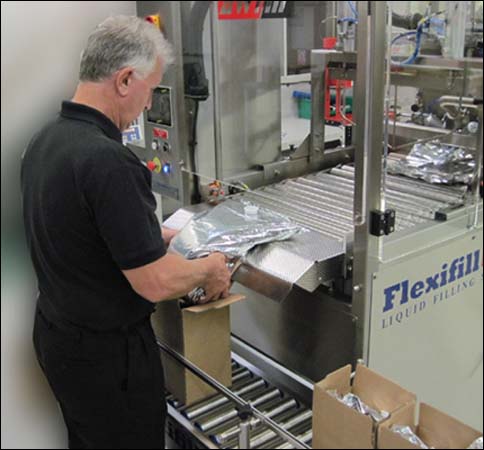
At its core, BIB technology works by dispensing liquid products into a flexible inner liner, which is then sealed within an outer carton or box. The bag collapses as the product is used, preventing air from entering and protecting the product from spoilage. This makes the bag-in-box filling system particularly useful for food applications where hygiene, shelf life, and product integrity are essential. Sauces, juices, dairy products, oils, and even ready-to-pour condiments can all benefit from the security and efficiency that bag-in-box packaging provides.
For UK-based manufacturers, the advantages are clear. Bag-in-box filling machines are designed to handle a wide range of viscosities, from thin beverages to thicker products such as purees and syrups. The technology supports high filling accuracy, reducing waste and controlling operational costs. With pressure from regulators and consumers to adopt eco-friendly practices, many businesses are turning to bag-in-box filling systems to reduce packaging weight, cut down on transport emissions, and eliminate unnecessary plastic.
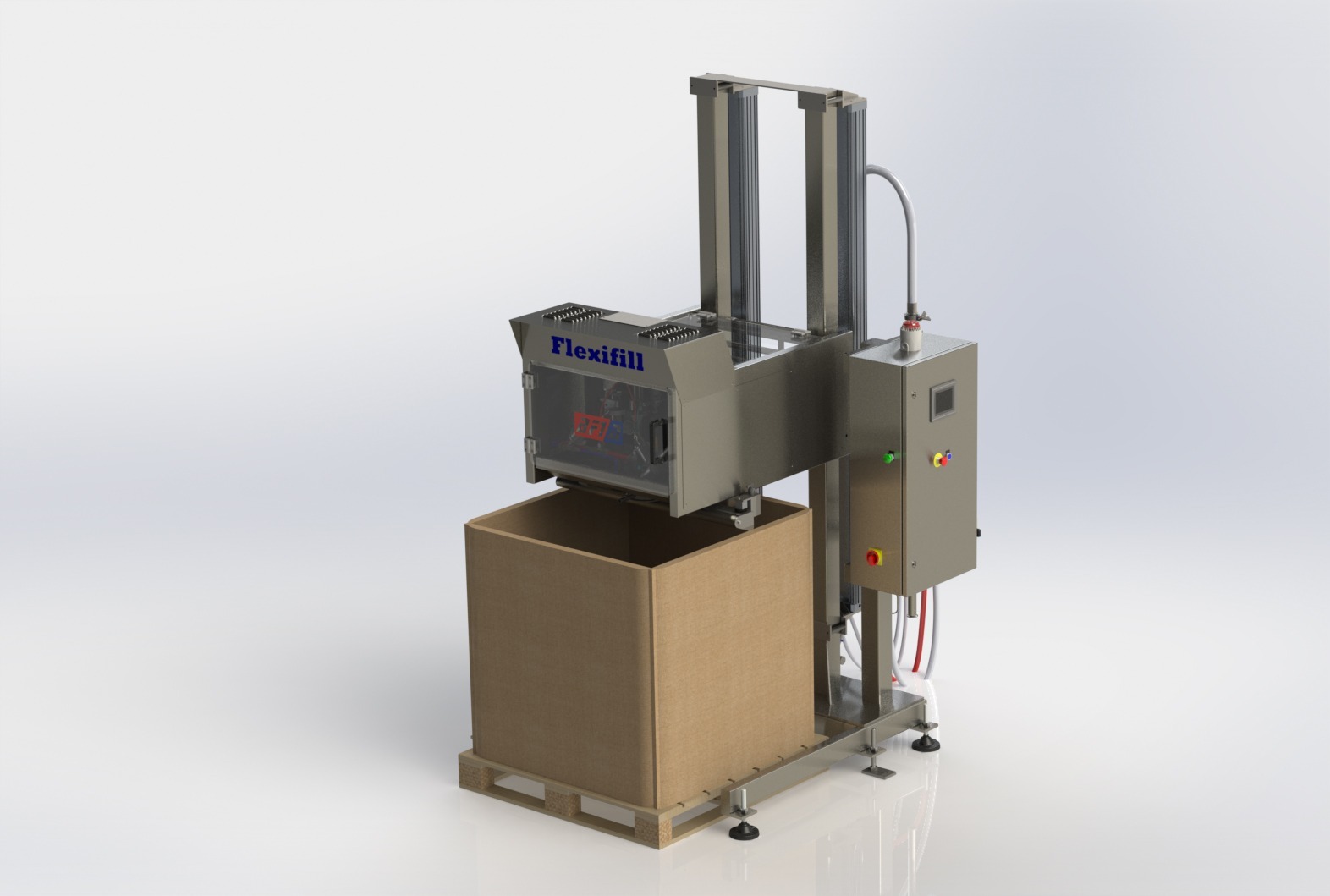
Another reason the food industry’s bag-in-box filling solution is gaining popularity is the flexibility of supply chains. As a trusted UK bag-in-box equipment supplier, Flexifill provides businesses with filling machines that exceed industry regulations and deliver bag-in-box systems bespoke to their space, throughput, and hygiene needs. Our bag-in-box technology is highly adaptable, making us the ideal partner for small-scale food producers through to large industrial manufacturers.
At Flexifill, our design team creates advanced bag-in-box filling solutions tailored for the food industry. Call us today on +44 (0)1454 418 599 to discuss your production needs.
Advantages of Bag-in-Box for Food Industry Applications
Bag-in-box filling systems are transforming the way food producers approach packaging in the UK. Beyond saving space and reducing handling costs, BIB technology provides measurable improvements in sustainability, food safety, and overall efficiency. By switching to bag-in-box filling solutions, businesses can achieve greater reliability in preserving the quality of liquid food products while lowering environmental impact at the same time.
Food Industry Bag-in-Box Filling for Sustainability
One of the key drivers behind the growth of the food industry bag-in-box filling is sustainability. Unlike rigid packaging, such as plastic bottles or glass containers, bag-in-box fillers use significantly fewer raw materials. This reduction in packaging weight means fewer carbon emissions during transportation and easier disposal at the end of use. For businesses looking for UK food packaging solutions that align with eco-friendly goals, bag-in-box is increasingly the first choice.
Reduced Packaging Waste and Improved Shelf Life
Minimising waste is another strong advantage. Flexible liners collapse as the product is dispensed, ensuring minimal leftover content inside the bag. This helps to preserve the nutritional value of products by limiting oxygen exposure, while improved sealing techniques promote nutrient retention. In practice, bag-in-box filling systems provide extended shelf life for everything from juices and dairy products to sauces and broths, reducing spoilage and protecting profit margins.
Bag-in-Box Filling vs Plastic Bottles and Glass Containers
When compared to traditional fillers, bag-in-box provides better protection and storage efficiency. Plastic bottles and glass containers are heavy, less efficient to transport, and often prone to breakage. By contrast, bag-in-box allows safe storage of liquid food in bulk without compromising quality. The lightweight outer cartons are also easier to stack and manage, lowering warehouse costs while offering better sustainability credentials.
At Flexifill, our engineering support ensures your business benefits from our sustainable, efficient bag-in-box technology. Get in touch with us today for expert advice.
Food Industry Bag-in-Box Filling Solutions
The versatility of food industry bag-in-box filling makes it one of the most adaptable options in modern food manufacturing. By combining 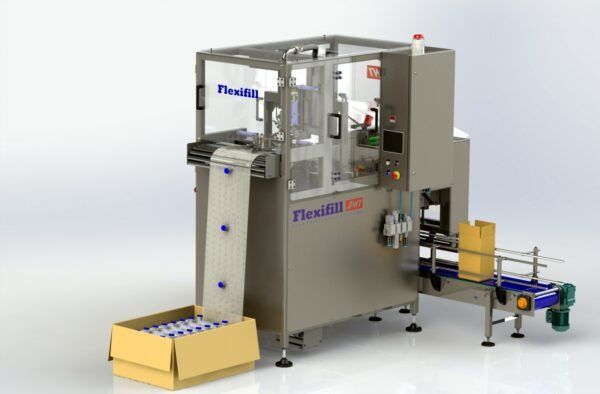 efficient design with advanced technology, bag-in-box systems offer tailored food manufacturing packaging solutions for a wide variety of products. Whether dealing with bulk storage or consumer-ready cartons, the flexibility of liquid filling machines for food allows producers to maintain product quality while meeting hygiene requirements, offering easier and increased storage opportunities whilst taking up less space, and meeting sustainability demands.
Dairy Products Bag-in-Box Filling
The dairy sector has seen particular success with dairy bag-in-box packaging. Milk, cream, and yoghurt all benefit from airtight liners and accurate bag fillers that protect freshness and maintain hygiene standards. With filling head precision, each unit of product is dispensed consistently, reducing waste and helping producers deliver reliable quality. The ability to extend shelf life and support large-volume distribution has made bag-in-box technology increasingly valuable for dairies of all sizes across the UK.
Sauces, Oils, and Liquid Condiments in Bag-in-Box Packaging
Viscous products like sauces, edible oils, and condiments present unique challenges in packaging. Bag-in-box systems provide controlled liquid packaging that reduces spillage, prevents contamination and ensures ease of use. The bag-in-box filling solutions are particularly beneficial for catering suppliers and large-scale kitchens, where efficient dispensing is essential. Advanced liquid filling machines for food make it possible to manage thicker consistencies with accuracy while ensuring compliance with food safety standards.
Bag-in-Box Filling for Juices and Beverages
Bag-in-box is also an excellent choice for beverages, from fruit juices to wine. With hot and cold filling operations available, producers can choose the method that best preserves flavour, safety, and product integrity. For juices and beverages, bag-in-box filling provides lightweight, transport-efficient options that reduce costs while maintaining consumer appeal. The combination of bag fillers and flexible liners ensures every pack is consistent, hygienic, and reliable.
Flexifill machines are designed around our customers’ specifications to handle every product type. Reach out to us today on +44 (0)1454 418 599 for a technical consultation.
Food Industry Bag-in-Box Filling Technical Innovations
The success of the food industry bag-in-box filling comes from its sustainability, combined with advanced engineering that makes it both efficient and reliable. Modern filling systems incorporate precision, automation, and flexibility, ensuring food producers can maintain consistent quality while scaling production. Ongoing industry development has driven innovations that reduce waste, improve hygiene, and enhance productivity across UK food manufacturing.
Volumetric Filling Machines for the Food Industry
One of the most important advancements has been the rise of volumetric filling machines that UK food manufacturers now rely on. These machines control filling volumes with extreme accuracy, ensuring every unit is consistent regardless of product type. By integrating features such as meter programming and flow pilot regulator systems, volumetric machines can adapt to different product viscosities, from thin beverages to thicker dairy or sauce applications. This precision also supports residue reduction, minimising waste at the end of each fill cycle.
Automatic Filling Machines and Integrated Packaging Lines
For larger-scale operations, automatic filling machines that UK suppliers provide have revolutionised throughput. They streamline packaging by combining multiple stages, including filling, sealing, and boxing, into one integrated process. This reduces reliance on manual handling, increases speed, and ensures consistency across the line. Automatic bag-in-box filling systems also allow for smoother compliance with hygiene regulations by controlling exposure points throughout the packaging stage.
Modular Design Features for Scalability and Space Saving
Bag-in-box technology is often praised for its modular design, which enables liquid food manufacturers to scale their operations gradually. Space-saving layouts mean smaller facilities can still achieve industrial-level output without costly expansion. Modular bag-in-box filling systems also allow upgrades as new packaging demands or capacity requirements emerge, helping businesses respond to shifting market needs.
Filling and Capping Machinery in Food Manufacturing
To ensure final product integrity, filling and capping machinery integrates seamlessly with bag-in-box lines. These systems provide tight seals that prevent contamination, extend shelf life, and support brand presentation. When combined with volumetric accuracy and automation, they create an end-to-end solution suited to both SMEs and larger enterprises.
At Flexifill, our design experts provide tailored filling options that grow with your production. Call us today on +44 (0)1454 418 599 to speak to our customer service team.
How Food Industry Bag-in-Box Filling Meets Hygiene Regulations
Hygiene and safety are integral to the modern food industry bag-in-box filling, and compliance is one of the strongest reasons manufacturers are switching to this packaging method. As consumer expectations and market requirements continue to rise, businesses must ensure every step of the production line meets strict standards. With innovations in aseptic technology and the integration of hygienic filling practices, bag-in-box filling systems offer robust solutions that protect both product quality and consumer health.
Meeting Food Safety and Hygiene Standards
Food businesses across the UK are under constant pressure to demonstrate compliance with strict food safety regulations. Bag-in-box filling machines help ensure products remain uncontaminated, reducing risks associated with manual handling or poor sealing methods. The use of buffer tanks and precision controls within bag-in-box systems allows manufacturers to maintain stable conditions that protect sensitive food products during the filling process.
High Barrier Performance and Airtight Seal Benefits
Central to the effectiveness of bag-in-box filling systems is their ability to provide high barrier performance. The multilayer liners prevent oxygen and light penetration, while secure fitments create an airtight seal. Together, these features extend shelf life and preserve product quality without unnecessary additives. This advantage is particularly important in aseptic bag-in-box filling, where absolute protection is required for both chilled and ambient goods.
Compliance for Food Manufacturing and Aseptic Packaging
From vacuum regulations to periodic audits, food producers must continually demonstrate adherence to safety frameworks. Aseptic filling plays a key role in this, as it uses sterile equipment and controlled conditions to ensure product integrity. Flexifill’s systems are engineered to support compliance with both UK and international standards, giving producers confidence that their packaging lines meet regulatory requirements.
Flexible Packaging Solutions for Sensitive Food Products
For delicate or temperature-sensitive goods, flexible packaging options such as aseptic liners provide additional assurance. These materials protect sensitive foods while integrating seamlessly into automated filling lines. By reducing exposure points, they minimise contamination risks and support a consistently hygienic packaging process.
At Flexifill, our packaging systems ensure maximum hygiene and product safety in every fill. Email our experienced team for dependable support to maintain your compliance with food industry standards.
Integration with Existing Food Manufacturing Lines
For many businesses in the UK, one of the biggest concerns when upgrading packaging processes is whether new equipment can work alongside existing systems. With food industry bag-in-box filling, integration has become straightforward thanks to modular engineering and adaptable designs. Modern solutions are built with flexibility in mind, allowing producers to adopt efficient technology without replacing entire lines.
Seamless Integration of Bag-in-Box Systems with Existing Equipment
Flexifill’s systems are designed for smooth connection with conveyors, sealing stations, labellers, and other critical equipment. We ensure that our food industry bag-in-box filling can be adopted without significant disruption to your daily operations. Whether installed in a small-scale facility or a large industrial plant, our machinery can be configured to match your output speed, packaging flow, and hygiene requirements.
Engineering Support for Food Industry Bag-in-Box Filling Projects
To achieve the best results, businesses often need technical guidance during implementation. Flexifill provides full engineering support, ensuring every integration project runs smoothly. From the initial site survey to installation and commissioning, our certified engineers ensure our equipment fits seamlessly into your production environment. Our ongoing advice also helps businesses adjust their operations as production demands grow.
Custom Packaging Design Features and Branded Custom Packaging
Bag-in-box technology isn’t limited to efficiency alone; it also offers branding opportunities. Flexifill develops systems that support custom-fit cartons, print-ready designs, and packaging layouts that align with your company identity. By combining performance with branded custom packaging, businesses benefit from both our operational reliability and consumer appeal, ensuring products stand out on the shelf.
Support from Flexifill’s Design Team and Customer Service Team
Every installation is backed by our knowledgeable design team and responsive customer service team. We work alongside our clients to adapt layouts, optimise workflows, and ensure consistent output quality. Our specialist support makes adopting food industry bag-in-box filling your long-term investment in growth and compliance.
Flexifill works with you to design solutions that fit your production layout. Explore our dedicated service page today to discover more and streamline your packaging process.
Cost Efficiency and Long-Term ROI
Investing in the food industry bag-in-box filling is not only about keeping pace with market trends but also about securing long-term financial benefits. By focusing on cost reduction, improved efficiency, and sustainability, businesses can achieve a packaging strategy that is both profitable and responsible. Bag-in-box technology has proven to be one of the most cost-efficient food industry packaging solutions available, offering value for small producers as well as large-scale manufacturers.
Reducing Operational Costs with Food Industry Bag-in-Box Filling
One of the most immediate advantages for food producers is lower operational costs. Bag-in-box fillers require less raw material than rigid packaging, resulting in direct savings on packaging spend. The BIB technology also minimises product waste through accurate dispensing and reliable seals, meaning more of the product reaches the customer instead of being discarded during the filling process.
Energy Efficiency, Waste Reduction, and Labour Savings
Energy use is another area where savings can be achieved. Modern systems are designed to run with lower power consumption, contributing to reduced running costs and a smaller carbon footprint. At the same time, bag-in-box filling solutions cut down on waste, both in terms of packaging and unused product. The automation available within BIB systems reduces the need for intensive manual labour, freeing up staff for higher-value tasks and lowering overall production costs.
Scaling from SME Food Manufacturing to Industrial Applications
Flexibility in scaling is a further benefit. Bag-in-box machinery can be introduced in smaller facilities and then expanded to suit industrial-scale operations. This adaptability makes it a reliable investment for SMEs planning to grow, as well as for established manufacturers seeking more efficient packaging lines.
How Bag-in-Box Supports Sustainable Packaging Goals
Beyond direct savings, the BIB technology also addresses wider sustainability objectives. Lightweight cartons and flexible liners help lower the environmental impact of packaging, while designs that use recyclable materials ensure an environmentally friendly outcome. By aligning packaging operations with sustainable goals, businesses strengthen their brand reputation and stay ahead of tightening food industry regulations.
At Flexifill, our filling systems deliver measurable cost savings while ensuring high performance. Complete our contact form today to request a consultation with our specialists.
Future of Bag-in-Box in the UK Food Industry
The future of packaging in the UK is shifting rapidly, with businesses prioritising sustainability, cost efficiency, and innovation. Across the food manufacturing sector, bag-in-box filling is emerging as one of the most adaptable and forward-looking solutions. By integrating BIB technology into production lines, food manufacturers can meet growing consumer and regulatory demands while ensuring that packaging operations remain both scalable and reliable.
Food Industry Bag-in-Box Filling and Packaging Trends
Industry forecasts suggest that the demand for flexible liquid packaging will continue to grow. Bag-in-box fillers, supported by advanced pouch filling and sealing technologies, are increasingly being adopted as a sustainable alternative to rigid plastic and glass. Continuous band sealers also ensure that seals remain hygienic, tamper-proof, and long-lasting, while automated case sealer machines streamline final packaging stages. Together, these elements reflect the growing importance of food industry bag-in-box filling as the standard for future-ready packaging.
Why More UK Businesses Are Switching to Flexible Packaging
Across the UK, food and beverage companies are recognising the competitive advantages of flexible packaging. Beyond lower transport costs and reduced storage space, bag-in-box solutions allow for branding opportunities and improved product protection. For producers managing sauces, juices, or dairy products, BIB technology offers consistency and extended shelf life without compromising on safety. Importantly, the adaptability of bag-in-box systems means they can be integrated into existing filling lines with minimal disruption, whether through pouch applications, liner bags, or custom cartons.
With environmental pressures and consumer awareness increasing, switching to flexible packaging is no longer optional but essential. UK businesses adopting bag-in-box fillers now are positioning themselves to thrive in a packaging market that prioritises sustainability, efficiency, and technological integration.
At Flexifill, we stay ahead of packaging trends with innovative food industry bag-in-box filling solutions bespoke to your needs and business. Future-proof your production by calling us today on +44 (0)1454 418 599.
Frequently Asked Questions About Food Industry Bag-in-Box Filling
1. What is food industry bag-in-box filling?
Answer: Food industry bag-in-box filling is a packaging method where liquids are dispensed into a flexible liner inside a cardboard outer box, offering an efficient food packaging solution.
2. How does the food industry’s bag-in-box filling improve product safety?
Answer: The food industry’s bag-in-box filling reduces contamination risks by using hygienic design and precision systems that meet strict food hygiene standards.
3. Are your food industry bag-in-box filling systems compliant with UK rules?
Answer: Yes. At Flexifill, our food industry bag-in-box filling systems are developed to align with UK legislation governing food manufacturing and packaging operations.
4. Can your food industry bag-in-box filling be used with aseptic processes?
Answer: Yes, our system lines are designed with aseptic tanks and aseptic bag-in-box fillers to keep your products sterile and extend shelf life.
5. What role does your packaging machine play in the food industry bag-in-box filling?
Answer: Our packaging machine handles accurate filling, sealing, and boxing, creating a reliable automated process.
6. Can your food industry bag-in-box filling integrate with other equipment?
Answer: Yes, our BIB systems connect seamlessly with conveyors and handling equipment to optimise your production efficiency.
7. How flexible is your food industry bag-in-box filling for different products?
Answer: We offer excellent production flexibility, allowing manufacturers to package dairy products, sauces, beverages, and other liquid foods in one system.
8. What materials are used in your food industry bag-in-box filling systems?
Answer: Our food industry bag-in-box filling machines are manufactured from durable stainless steel, ensuring hygiene and long-term reliability.
9. How do your sealing machines support food industry bag-in-box filling?
Answer: Our high-quality sealing machines provide airtight seals that maintain freshness and protect your liquid product’s integrity.
10. Are your food industry bag-in-box filling systems sustainable?
Answer: Absolutely. We also have eco-friendly packaging options that reduce energy consumption and waste compared to traditional rigid containers.
Contact us today to discuss sustainable filling solutions for your production. Our experienced team will help you get the best from your operation, enabling you to scale at any time.
